The 50/30/20 Budget Rule — How to Apply It in India
The 50/30/20 rule is one of the simplest budgeting frameworks ever created. It divides your take-home salary into three buckets: needs, wants and savings. Here's how to adapt it for Indian salaries and lifestyles.
The Rule Explained
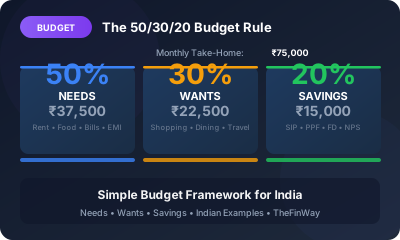
- 50% — Needs: Rent, groceries, utilities, EMIs, insurance, transport, domestic help, children's school fees
- 30% — Wants: Dining out, entertainment, shopping, subscriptions, vacations, gadgets
- 20% — Savings & Investments: SIPs, PPF, FDs, emergency fund, debt repayment above minimums
Adapting for India
Many Indian families naturally save more than 20% — and that's great. If you're in your 20s-30s with fewer commitments, aim for 50/20/30 (30% savings). If you have EMIs eating into your needs, temporarily adjust to 60/20/20 and work on reducing debt.
Indian-specific needs that people forget: domestic help (₹2,000-8,000/month), school fees (₹3,000-25,000/month), and festival/wedding expenses (budget ₹2,000-5,000/month as a sinking fund).
Examples by Salary
| Category | ₹30,000 | ₹50,000 | ₹1,00,000 |
|---|---|---|---|
| Needs (50%) | ₹15,000 | ₹25,000 | ₹50,000 |
| Wants (30%) | ₹9,000 | ₹15,000 | ₹30,000 |
| Savings (20%) | ₹6,000 | ₹10,000 | ₹20,000 |
At ₹30,000 salary, ₹15,000 for needs is tight in metros. You may need to share rent or live with family. At ₹1 lakh, try pushing savings to 30% (₹30,000) — the extra ₹10,000/month in SIPs makes a massive difference over 20 years.
Common Mistakes
- Treating EMIs as "savings" — a car loan EMI is a need (liability), not savings
- Ignoring irregular expenses — insurance premiums, annual subscriptions, festivals
- Not tracking at all — you can't improve what you don't measure
Start Budgeting Today
Set up your monthly budget in 5 minutes with TheFinWay's free budget planner. It lets you allocate amounts across 15 expense categories and tracks your spending against budget automatically.
Start Your Financial Journey
TheFinWay helps you track net worth, budget expenses, plan retirement and achieve financial independence — all for free.
Try TheFinWay Free →